

 Becky
As the year draws to a close, there’s no better time to reflect, reassess, and propel yourself toward greater success. This self-evaluation serves as a pivotal tool for growth. The following comprehensive guide for conducting a year-end self-evaluation offers a roadmap to maximize your leadership potential.
Through an in-depth exploration of achievements and challenges, assessment of core leadership skills, and the invaluable process of gathering feedback, this guide will equip you with the tools necessary to identify areas for improvement. Moreover, it will provide strategies for implementing change and establishing ambitious yet attainable goals for the coming year.
A hallmark of professionalism is a commitment to continued growth. This guide aims not only to facilitate self-reflection but also to inspire action, encouraging a proactive approach to sustained improvement. Read it, commit to taking the actions laid out here over the next few weeks, and prepare to be amazed by your growth when you look back of your journey at the end of next year!
Reflecting on Achievements and Challenges
Reflecting on the past year is indispensable to your growth as a leader. Begin by revisiting any goals and objectives you set at the beginning of the year. Assess the milestones achieved and analyze each success to understand the strategies that proved effective. Celebrate these victories as they reaffirm your dedication and hard work.
While celebrating your successes is vital, it’s equally important that you candidly evaluate the challenges and setbacks you faced over the past year. These obstacles and failures are opportunities for learning. What went wrong, and what lessons have you learned from these experiences? Embracing failure as a part of the journey toward success marks your growth effective leadership.
Moreover, recognizing the lessons learned from challenges allows for a richer understanding of your capabilities and areas you need to develop further. Did you adapt strategies in the face of adversity? Did you communicate your vision and your team’s contribution to the organizational mission clearly and consistently? These reflections will serve as building blocks for improvement.
A study by McKinsey & Company on women in leadership roles found that women tend to be more self-critical in evaluating themselves, focusing more on weaknesses than strengths. However, it’s important to maintain a balanced perspective – acknowledging achievements as well as areas for improvement. This process lays the foundation for a constructive self-evaluation, enabling you to strategically plan for growth.
As you review your successes and challenges, look back at your leadership philosophy. (Don’t have a leadership philosophy? Check out our free template to get you started!) Your leadership philosophy provides great insight into the values, approaches, and future that you prioritize. As you assess the past 12 months and develop your plan for the coming year, your leadership philosophy can help you prioritize your most important areas for growth.
Assessing Leadership Skills and Qualities

Assessing your leadership skills and qualities proves a crucial aspect of a year-end self-evaluation. It involves a comprehensive analysis of various attributes integral to effective leadership.
Evaluating Communication Skills
Communication stands as the cornerstone of effective leadership. Reflect on how well you conveyed your ideas, instructions, and feedback. Consider the clarity of your message, active listening skills, and the ability to inspire and motivate through effective communication.
Research shows that women tend to utilize an inclusive communication style focused on collaboration and empowerment. Would you define your communication style as inclusive? Do you hold space for others’ perspectives, especially when those perspectives differ from your own? Analyze whether this approach enhanced teamwork and innovation.
Reviewing Decision-Making Abilities
Review the decisions made throughout the year. Analyze the rationale behind these decisions, their outcomes, and the impact on your team or organization. Consider if you made timely and well-informed decisions or if there are things you can do to improve your decision-making abilities. Your leadership philosophy is critical to this assessment as well since your decisions should be tied to your core values and organizational mission and vision.
Assessing Emotional Intelligence
Emotional intelligence profoundly impacts leadership. Reflect on how well you managed your emotions and understood those of others. Evaluate your self-awareness, self-regulation, motivation, empathy, social skills, and ability to handle conflicts constructively. The greater your emotional intelligence, the easier you can develop a climate of trust and engagement within your team. Modeling emotional intelligence encourages the same in team members and leads to a positive cycle that accelerates success.
So ask yourself how tuned in you are to your own emotions and reactions to developments, how easily you can return to a calm and positive mindset when you encounter frustrations or setbacks, how easily you can understand the feeling and perspective of others, and how well you maintain relations and resolve conflict with your team.
Assessing Agility
In a constantly evolving landscape, the ability to adapt and remain flexible proves crucial. Review instances where you had to adapt to change or unexpected situations. Assess whether you embraced change positively, leading your team through transitions effectively. Do you collaborate with team members regularly with a focus on optimizing outcomes? Do you embrace iterative planning to allow the process of incremental change to magnify your results? How intentionally are you developing your team to grow their resilience and responsiveness? Do you embrace failure as an opportunity to grow and improve? Check in with yourself and your adaptability over the past year to see how you can continue to improve going forward.
Reviewing Team Building and Management Skills
Reflect on your ability to build and manage teams. Assess how well you nurtured a positive and productive team environment, delegated responsibilities, and encouraged collaboration and growth among team members. Research indicates that women lean toward a transformational leadership style focused on inspiring, developing, and empowering teams. Determine areas where you can further cultivate these abilities.
By introspectively assessing these aspects, you gain insights into your strengths and areas that require development. Identifying areas of improvement in these fundamental leadership qualities proves pivotal. Once identified, you can strategize for personal development and growth.
Remember, your goal is not perfection but continual progress. Utilize this self-assessment to set a blueprint for improvement, enabling you to steer your leadership towards its highest potential. Engaging in this process undoubtedly fosters a more dynamic and effective leadership approach in the coming year.
Soliciting Feedback and 360-Degree Evaluation
In the quest for self-improvement as a leader, gathering feedback from various sources provides vital context and perspective we simply can’t gain on our own. Research consistently affirms the value of feedback in enhancing individual performance and promoting learning.
- Importance of Gathering Feedback: Seeking feedback from peers, subordinates, and superiors provides a diverse and comprehensive perspective. Constructive criticism and positive affirmations gleaned from these varied sources offer invaluable insights into your leadership style, strengths, and areas needing refinement.
- Seeking Input from Diverse Sources: Research emphasizes the significance of collecting feedback from diverse sources. Obtaining input from various levels within an organization, known as 360-degree feedback, offers a well-rounded evaluation, enhancing leadership effectiveness.
- Conducting a 360-Degree Evaluation: A 360-degree evaluation involves feedback from colleagues, subordinates, and supervisors. This holistic approach not only provides a multifaceted view but also fosters a culture of transparency and trust within the organization.
- Analyzing and Interpreting Feedback: Once gathered, meticulously analyze and interpret the feedback. Recognize recurring patterns and areas for improvement. Identifying common themes in the feedback assists in focusing on specific areas that demand attention. It can be incredibly helpful to discuss this feedback with a mentor or trusted colleague. They can help you contextualize the comments and serve a useful sounding board to validate your results.
Approach feedback with an open mind and a willingness to implement constructive criticism crucially. It can be hard to receive critiques without becoming defensive, but leaders who actively seek and act on feedback tend to show marked improvement in their leadership skills over time. Embracing feedback as a catalyst for growth not merely benefits personal development but also fosters a more cohesive and effective leadership approach.
Incorporating feedback received from multiple sources into your year-end self-evaluation provides a well-rounded view of your leadership strengths and weaknesses. Leveraging this feedback undoubtedly guides you in formulating an action plan for personal and professional growth, thereby enhancing your efficacy as a leader.
Identifying Areas for Improvement
Upon receiving feedback and conducting your year-end self-evaluation, pinpoint areas for development that provide improvement in the areas most critical to your core values, organizational mission, and vision.
- Pinpointing Weaknesses and Areas Needing Development: Utilize the feedback gathered and self-assessment results to identify specific areas requiring improvement. This could encompass communication, decision-making, adaptability, or any other skill highlighted as needing enhancement.
- Setting Clear and Achievable Improvement Goals: Once identified, set clear, attainable goals for improvement. Break down broader objectives into smaller, actionable steps. For instance, if communication skills need enhancement, set goals such as attending workshops, practicing active listening, or seeking a mentor for guidance.
- Developing a Personal Development Plan: Construct a personal development plan that outlines the strategies and actions to address the identified weaknesses. Include timelines, resources needed, and milestones to track progress. A structured plan not only guides but also motivates continual improvement. Want to skip the planning and get right to the growth? Check out our 90-Day Leadership Development Journal to kickstart your growth as a leader in the new year.
This deliberate focus on improvement does not strive for perfection but embraces a commitment to evolving as a leader. Identifying and addressing areas for development not only refines your leadership skills but also sets a precedent for a culture of growth within your team or organization. Through this intentional process, you will set the stage for significant personal and professional advancement, ensuring a more effective and influential leadership approach in the future.
Implementing Changes and Growth Strategies
Implementing changes and growth strategies is an essential phase once you identify areas needing improvement in your year-end self-evaluation. Once weaknesses are recognized, developing and executing a plan for personal and professional development proves the next crucial step.
- Strategies for Skill Enhancement: Take deliberate steps to enhance the identified skills. This might involve enrolling in relevant courses, seeking mentorship, or engaging in experiential learning opportunities. For instance, if improving decision-making skills is a goal, explore decision-making frameworks or participate in scenario-based training.
- Tools and Resources for Leadership Development: Utilize the wide array of tools and resources available for leadership development. Numerous online courses, books, seminars, and workshops tailored to address specific leadership skills exist, including Women Lead Well’s 90-Day Leader Development Journal. Drawing upon these resources can significantly aid in skill improvement.
- Formulating a Roadmap for Growth: Develop a clear roadmap outlining the actions, timelines, and checkpoints for monitoring progress. This roadmap should align with the improvement goals and highlight the steps necessary to achieve these objectives. Regularly reviewing and adapting this plan ensures flexibility and continuous improvement.
Remember, implementing changes and growth strategies is a continuous process. By being proactive and dedicated to these growth strategies, you not only enhance your personal leadership abilities but also set an example for your team or organization. Embrace this transformative journey with enthusiasm, as the commitment to continual improvement significantly shapes a more effective and influential leadership style.
Setting Goals and Objectives for the Coming Year
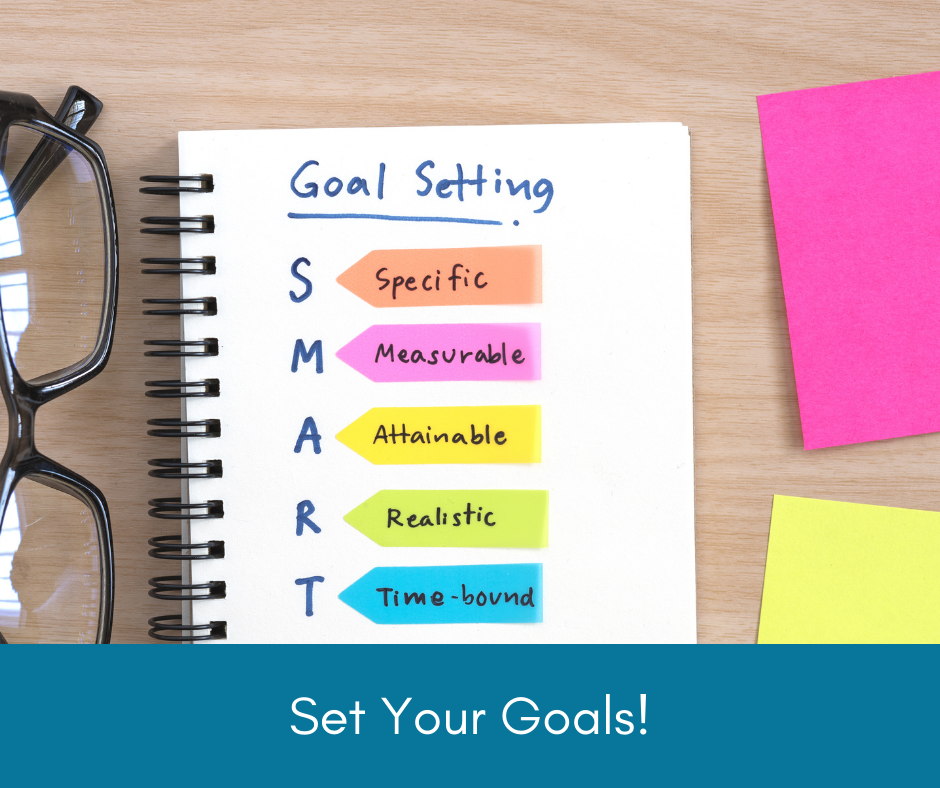
The final step in your year-end self-evaluation is to set clear and achievable goals for the upcoming year. This forward-looking approach ensures a proactive stance in enhancing leadership skills and overall effectiveness. Given your self-evaluation; feedback from mentors, colleagues, and team members; and your leadership philosophy, what are the most important leadership elements for you to develop over the next 12 months?
Establish SMART Goals
SMART (Specific, Measurable, Achievable, Relevant, Time-bound) goals provide a structured framework for goal-setting. Ensure your goals are specific, quantifiable, realistic, aligned with your improvement areas, and have a clear deadline for accomplishment. You don’t need to work on all your goals for all 12 months. You may be able to achieve some goals in a few weeks, other goals may need to wait until later in the year, and some goals may take longer than a year to achieve.
Align Personal Goals with Organizational Objectives
Harmonize personal development goals with broader organizational goals. Identifying areas where personal growth aligns with the organization’s strategic objectives fosters congruence and ensures that your development contributes to the overall success of the team or company. Talk with your boss about your goals and the value they provide to the organization. This strengthens your connection and increases the odds that your boss will be willing to support any courses, conferences, etc. that are part of your plan.
Create an Action Plan for Implementation
Develop an action plan detailing the steps necessary to achieve these goals. Break down objectives into manageable tasks and secure resources and time needed. Regularly review and adapt this plan as needed to ensure alignment with your evolving needs and priorities. You can bring this plan to any periodic review sessions you have with your boss to get their feedback on your progress and demonstrate your commitment to continued growth.
Setting specific and challenging goals is a powerful tool for sustained growth and improvement. Research points out that individuals who set challenging yet attainable goals tend to perform better and demonstrate higher levels of motivation and commitment toward achieving those goals.
By setting clear objectives and creating a roadmap for their realization, your year end self evaluation sets the stage for a purpose-driven and proactive approach to leadership. This process not only fosters personal growth but also contributes to the success of the organization. Embrace this forward-thinking perspective with enthusiasm, as it lays the groundwork for a more impactful and effective leadership journey in the year ahead.
Embracing a Growth Mindset and Continuous Improvement
Embracing a growth mindset is fundamental in pursuing continual improvement as a leader. It involves adopting an attitude focused on learning, resilience, and the understanding that dedication and hard work can develop abilities.
- Emphasizing the Importance of a Growth Mindset: Research by Stanford psychologist Carol Dweck emphasizes the power of a growth mindset. Leaders who believe dedication and effort can develop their abilities more likely embrace challenges, learn from criticism, and persist in the face of obstacles.
- Encouraging Continuous Learning and Improvement: Cultivating a culture of continuous learning within yourself and your team proves pivotal. Allocate time for professional development, encourage curiosity, and foster an environment that values learning and innovation.
- Cultivating a Culture of Self-Evaluation: Promote a culture of self-evaluation and feedback within your team or organization. Encourage team members to engage in their own self-assessment, fostering an environment where everyone strives for personal and collective growth.
By embracing a growth mindset and promoting continuous improvement, you not only advance your leadership capabilities but also inspire those around you. This proactive approach not only aids personal growth but also contributes to a more innovative and resilient team or organizational culture. Embrace this mindset enthusiastically, as it paves the way for a more adaptive and effective leadership style in the long term.
Conclusion
As you mature as a leader, your journey of self-evaluation, growth, and continuous improvement proves transformative. By reflecting on your achievements, identifying areas for development, setting clear goals, and embracing a growth mindset, you set a strong foundation to see amazing growth as a leader over the next year. Your year-end self-evaluation is a critical step in your future success.
The commitment to continual improvement not only shapes your leadership but influences your entire team or organization. Embrace this journey with enthusiasm, as it catalyzes unlocking your fullest potential as a leader. Take action today to ignite a brighter, more impactful leadership journey tomorrow. You will find yourself well on the way to developing into the influential and empowering leader you are destined to be.

Ready to start your year-end self-evaluation? Download our free Year End Review Template to get started. Then bookmark this in-depth blog post for easy reference as you raise your self-awareness and set clear goals to excel as a leader next year.
Want to supercharge your leadership journey? Women Lead Well is here to help! Sign up for our weekly newsletter, join the conversation on Facebook, Instagram, or Twitter. For even more powerful growth, pick up our 90-day Leader Development Journal.


